Unearthing Timeless Textures: Victorian Digital Papers
The most compelling visual stories often begin with texture. Before a single word is placed or an image is composed, the background sets the entire emotional stage. For designers, crafters, and brand builders seeking to evoke a sense of history, authenticity, and handcrafted charm, the foundation of your project matters immensely. This is where the power of a well-crafted digital asset truly shines, moving beyond a simple image to become a narrative tool. The Aged Victorian Digital Paper Backgrounds collection is precisely that—a versatile toolkit designed to infuse your work with the nuanced, romantic, and slightly weathered elegance of the 19th century.
The Visual Poetry of Age and Elegance
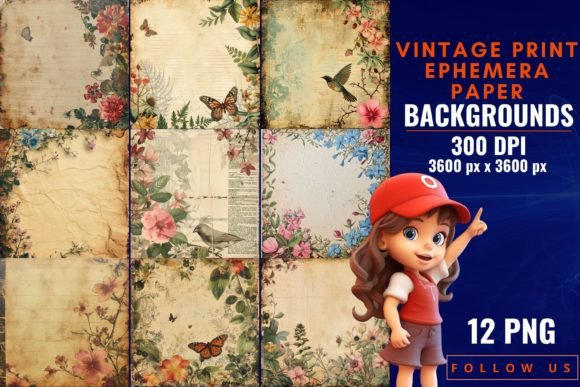
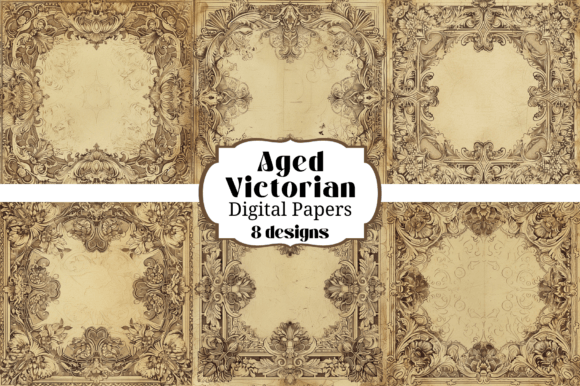
What exactly defines the character of these backgrounds? Imagine the soft, uneven patina of a paper that has lived a life. These digital papers capture that essence through a careful blend of visual elements. You'll find subtle, warm sepia tones, delicate floral damask patterns, faint script overlays, and the soft grain of aged parchment. The appeal isn't in stark perfection but in the gentle imperfections—the slight discoloration at the edges, the faint impression of a pressed flower, or the ghost of vintage typography. This aesthetic carries a personality of quiet sophistication, nostalgia, and romanticism, making it a powerful design asset for projects that need to feel established, thoughtful, and rich with story.
This style of aged texture operates differently than a clean, modern sans serif font or a bold display font. While a typeface provides the voice, these Victorian papers provide the stage and the atmosphere. They are the background narrative that supports your foreground message. The key is understanding that their strength lies in subtlety and layering. They don't shout; they whisper, inviting the viewer to look closer and appreciate the details. This makes them ideal for projects where the goal is to create a specific mood rather than just deliver information quickly.
Practical Applications: From Brand Identity to Craft Table
The true value of any creative resource is measured by its utility. How and where can you effectively deploy these Victorian digital backgrounds? The applications are remarkably broad, spanning professional and personal projects.
For brand identity and logo design, consider a boutique bakery, a vintage-inspired clothing line, an artisan soap company, or a high-end stationer. Using a subtle, textured background from this collection on business cards, packaging, or a website hero image can instantly communicate a brand story of craftsmanship, heritage, and premium quality. It pairs beautifully with elegant serif fonts for logos or refined script fonts for product names, creating a cohesive and memorable visual hierarchy.
In editorial design and publishing, these backgrounds are transformative. Imagine them as the base for magazine layouts, book covers (especially for romance, historical fiction, or poetry), or the interior pages of a journal. They can elevate a simple PDF into a digital publication that feels tactile and special. For web design, they can be used sparingly but effectively—perhaps as a textured sidebar, a subtle banner behind a quote, or a background for a testimonial section—to break up sterile whitespace and add depth without compromising readability.
The collection is equally at home in the world of paper crafts and digital design. Crafters will find them perfect for scrapbooking, junk journaling, and creating custom collage elements. The digital download format, with high-resolution, watermark-free PNG files, means you can resize, layer, and manipulate them in any software like Photoshop, Canva, or Procreate. Social media graphics gain an instant artistic lift when used as backgrounds for quote cards, announcements, or themed post series, helping a feed stand out with a consistent, artistic brand identity.
Integrating Texture with Typography and Design
Using such a distinct background effectively requires a thoughtful approach to font pairing and layout. The goal is harmony, not competition. Because these papers have intricate textures and patterns, your primary typeface should offer clean contrast. A highly readable serif font like Garamond or Baskerville for body text can echo the historical feel while maintaining clarity. For headlines, a clean sans serif font like Helvetica or Futura can provide a modern counterpoint, ensuring your message remains the focal point. Avoid overly decorative script fonts or handwritten fonts for large blocks of text, as they can become lost in the texture; instead, reserve them for accents, monograms, or short labels.
Always test your font pairing directly on the background. Zoom in and out to check readability at different scales. A crucial practice is to adjust the opacity of the background layer or place a semi-transparent shape (like a soft cream rectangle) behind your text to ensure legibility, especially in web design and packaging design. This technique preserves the texture's character while creating a stable ground for your modern typography.
When evaluating fit for a project, consider the overall narrative. Is the project telling a story of heritage, romance, or organic craftsmanship? If so, these aged Victorian papers are a natural fit. For a sleek tech startup or a minimalist fashion brand, they might feel incongruous unless used in a very abstract, textured way. Always review the included files; having multiple variations allows you to choose the perfect tone—perhaps a cleaner parchment for text-heavy areas and a more ornate floral for decorative borders.
Finally, understand the licensing. As a premium digital asset, these files are typically licensed for both personal and commercial use, which is essential for entrepreneurs and small business owners. This means you can confidently use them in client work, products for sale, and marketing materials. By integrating these Victorian digital papers thoughtfully, you're not just adding a background; you're layering in history, emotion, and a tangible sense of quality that elevates your entire creative output. They are a foundational tool for anyone looking to build visual narratives with depth and authenticity.